

ribbed glass panels
The Spirit Level An Essential Tool for Precision Measurement The spirit level, also known as a bubble level, is an indispensable tool used across various industries and applications to ensure accuracy and precision in construction and carpentry. This simple yet effective instrument enables users to ascertain whether a surface or line is horizontal (level) or vertical (plumb). Its design has remained relatively unchanged since its inception, proving that sometimes the simplest solutions are the most effective. History and Development The origins of the spirit level can be traced back to ancient civilizations. The earliest forms of the level were made using water-filled troughs or even simple wooden beams aligned with the horizon. However, the modern spirit level, featuring the famous glass tubes filled with liquid and a gas bubble, began to take shape in the 17th century. The design of the level is credited to mathematician and astronomer Henri de Levallois, and over the years, various advancements have led to increased accuracy and user-friendliness. Today, spirit levels come in various forms, including the traditional bubble level, digital levels, and laser levels. Each type offers unique benefits catering to different user needs, from professional construction workers to DIY enthusiasts. How It Works At its core, a spirit level operates based on the principle of gravity. The glass tube in a spirit level is partially filled with a colored liquid, typically alcohol or a similar fluid, which creates a bubble inside. When the tool is placed on a surface, gravity pulls the bubble toward the highest point of the tube. For a surface to be level, the bubble must sit perfectly between the marked lines on the level. If the bubble is not centered, adjustments can be made to the surface until it is correct. spirit level measuring tool Digital spirit levels take this a step further by providing readings on an LCD screen, allowing for more immediate and precise measurement. Laser levels, meanwhile, project a straight line of light along surfaces, making them ideal for larger projects. Applications in Various Fields The versatility of spirit levels makes them useful in multiple applications. In the construction industry, they are essential for ensuring walls, ceilings, cabinets, and other structures are level and plumb. This is crucial not only for aesthetics but also for structural integrity. An unlevel foundation can lead to significant issues down the line, impacting the safety and durability of a building. In woodworking, spirit levels help ensure accurate cuts and alignments, particularly when building furniture or cabinetry. Even in artistic applications, such as sculpture or installation art, maintaining a precise level can enhance the overall effect and presentation of the work. Conclusion The spirit level is more than just a basic tool; it symbolizes the importance of accuracy in both professional and personal projects. Whether one is working on a major construction site or hanging a picture frame at home, the spirit level guarantees that tasks are performed with precision and care. As technology continues to advance, the spirit level remains a staple in any toolkit, proving that a simple mechanism can greatly influence the quality of work across countless applications. Its enduring presence throughout history underscores the vital role of precision in construction, craftsmanship, and beyond.
about
ribbed glass panels
The Importance of Equipment Vibration Pads in Industrial Settings In today's fast-paced industrial environment, maintaining equipment efficiency and reliability is paramount. One often-overlooked yet crucial component in achieving this is the use of equipment vibration pads. These pads play a significant role in reducing noise, minimizing wear and tear, and enhancing the overall performance of machinery. This article delves into the various aspects of equipment vibration pads, exploring their benefits, types, applications, and maintenance. Understanding Vibration and Its Impact Every piece of machinery generates vibrations during operation. These vibrations can be caused by factors such as imbalances, misalignments, and even external forces. While some vibration is normal, excessive or uncontrolled vibrations can lead to a range of issues, including equipment failure, increased maintenance costs, and employee discomfort. Vibration pads are designed to absorb and dampen these vibrations, thereby protecting both the equipment and the operating environment. Benefits of Vibration Pads 1. Reduction of Wear and Tear By minimizing the vibration transmitted to machinery, vibration pads help to extend the lifespan of equipment. This reduction in movement can significantly decrease mechanical wear, resulting in lower replacement and repair costs. 2. Improved Performance Equipment operating under optimal conditions tends to perform better. Vibration pads can help maintain these conditions by minimizing resonance, a phenomenon that can amplify damaging vibrations and lead to inefficiencies. 3. Noise Reduction Excessive vibrations often lead to increased noise levels. Vibration pads help dampen these vibrations, resulting in a quieter working environment. This is particularly important in settings where noise regulations must be adhered to, such as hospitals or residential areas near industrial sites. 4. Enhanced Safety Equipment that vibrates excessively can become a safety hazard. For instance, loose parts can fall off, creating risks for nearby workers. By stabilizing machinery, vibration pads contribute to a safer workplace. 5. Energy Efficiency Excessive vibrations can lead to energy losses due to inefficiencies within the machinery. Using vibration pads can help ensure that machines operate within their optimal vibration thresholds, leading to energy savings and improved sustainability. Types of Vibration Pads equipment vibration pads Vibration pads come in various materials and designs, each suited to specific types of equipment and operational scenarios. Common materials include rubber, neoprene, and cork, each offering unique properties in terms of durability and vibration absorption. 1. Rubber Pads Known for their durability and excellent vibration-dampening characteristics, rubber pads are often used in heavy machinery applications. They can withstand harsh conditions while providing effective isolation. 2. Neoprene Pads These pads are resistant to oil and chemicals, making them suitable for environments where such substances are present. They provide a balance between flexibility and stiffness, ensuring effective vibration control. 3. Cork Pads As a natural material, cork is an eco-friendly option that provides good shock absorption and sound-dampening qualities. These pads are often used in lighter equipment or in environments where aesthetics are a consideration. Applications of Vibration Pads Vibration pads are versatile and can be applied in a wide range of settings, including - Manufacturing Plants To stabilize heavy machinery such as mills, presses, and lathes. - HVAC Systems To minimize noise and vibrations from air conditioning units and compressors. - Transportation In vehicles, vibration pads can improve comfort and reduce strain on components. - Electronics Sensitive equipment, such as servers and sensitive instruments, benefits from vibration isolation to ensure accuracy and longevity. Maintenance Considerations To maximize the effectiveness of vibration pads, regular inspection and maintenance are essential. This includes checking for wear and tear, ensuring proper placement, and replacing pads that have degraded over time. Regular maintenance not only prolongs the life of the vibration pads themselves but also contributes to the overall health of the machinery. Conclusion In conclusion, equipment vibration pads are a critical aspect of industrial operations. Their ability to reduce noise and vibrations enhances the longevity and efficiency of machinery while also contributing to a safer and more pleasant working environment. By understanding the importance of these pads and selecting the appropriate type for specific applications, industries can significantly improve their operational reliability and effectiveness. Investing in quality vibration pads is not just a maintenance consideration; it is a step towards achieving operational excellence.
-

High quality industrial productsagement

High quality industrial products
View Details -

Meet the diverse needs of customers

Meet the diverse needs of customers
View Details -

Strict quality control

Strict quality control
View Details -

Top raw materials

Top raw materials
View Details -

Trusted supplier

Trusted supplier
View Details
Our application
news and information
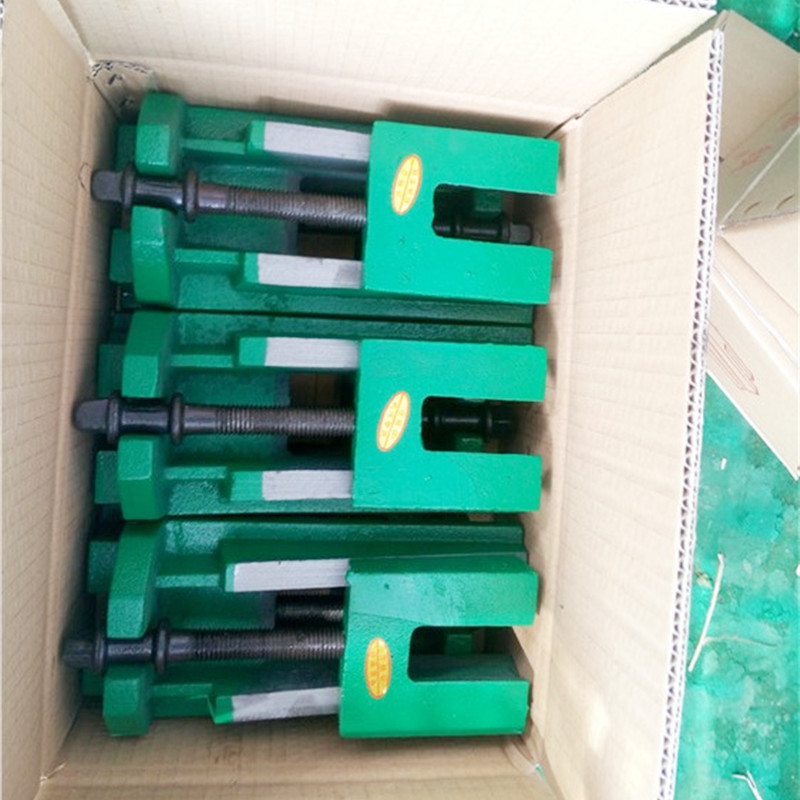
Welding Inspection Guide for Accurate Measurement and Quality Assurance
The Importance of Welding Inspection Rulers in Quality Control Welding plays a crucial role in the m
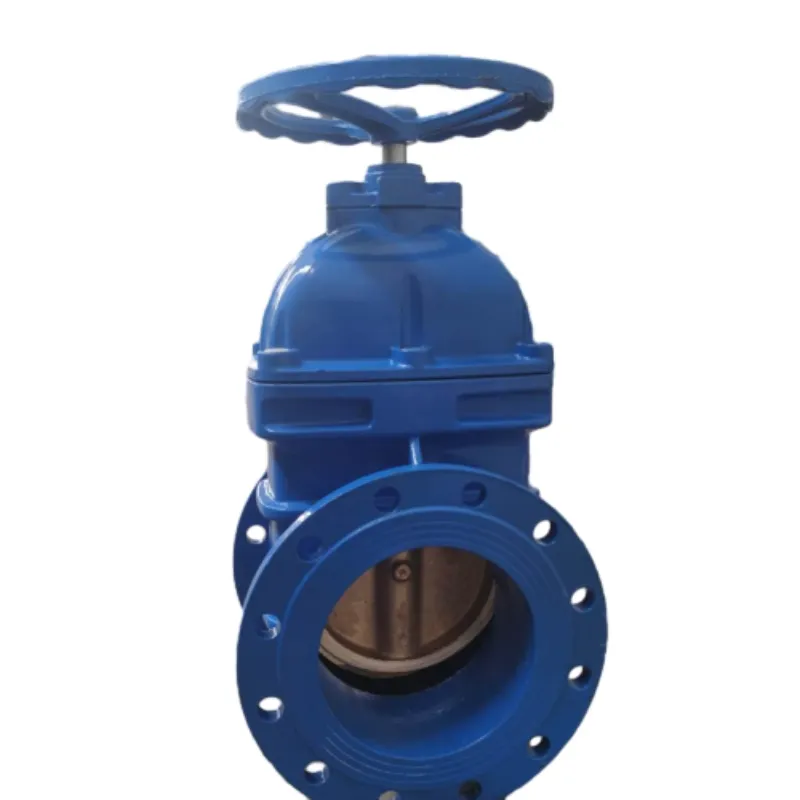
Y Type Water Strainer for Efficient Filtration and Flow Control Solutions
Understanding Y-Type Water Strainers Functionality and Applications Water strainers are essential co

welding table cost
Understanding the Costs of Welding Tables When it comes to metalworking and fabrication, having the
 English